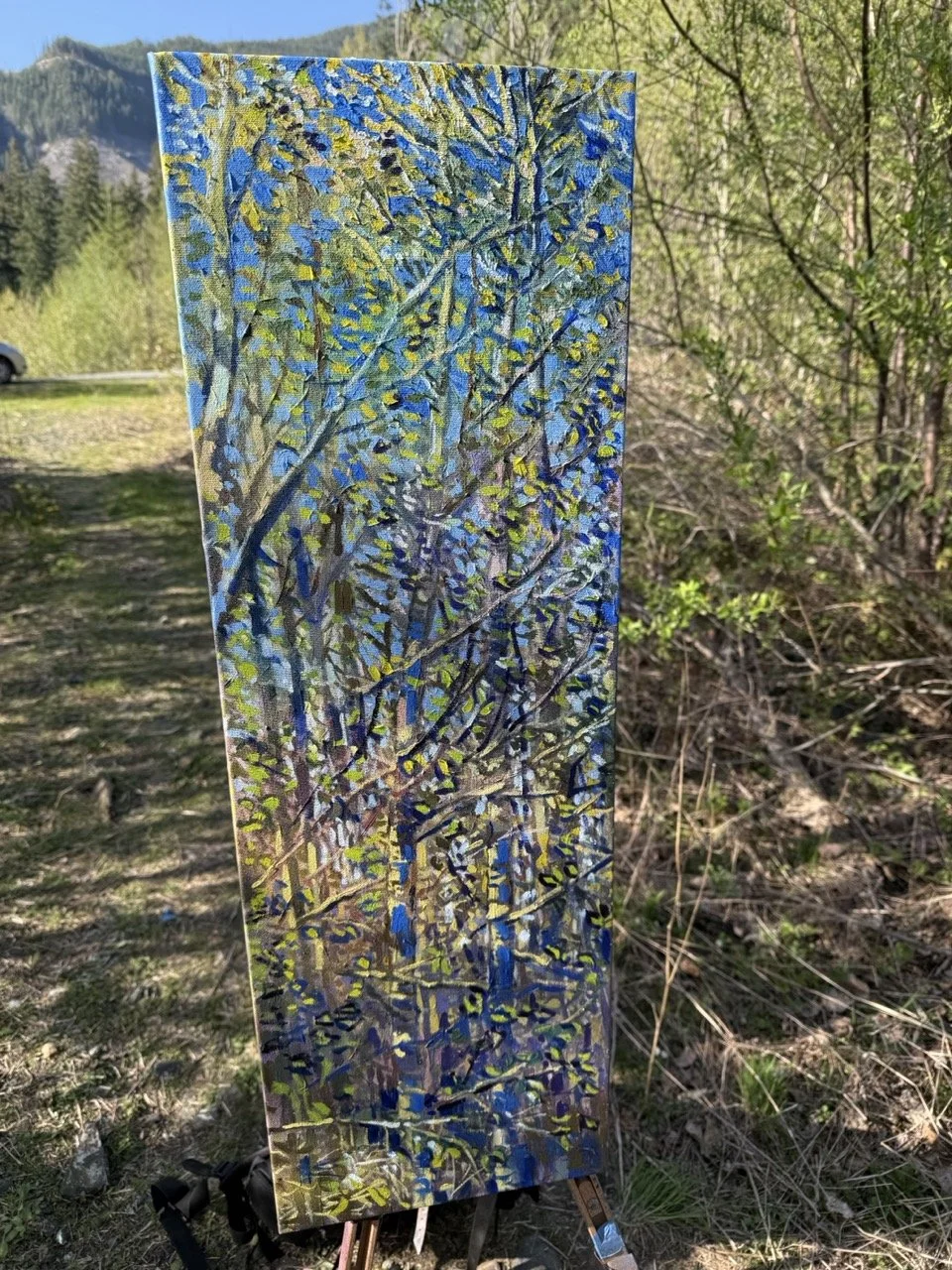
Middle Fork Nooksack
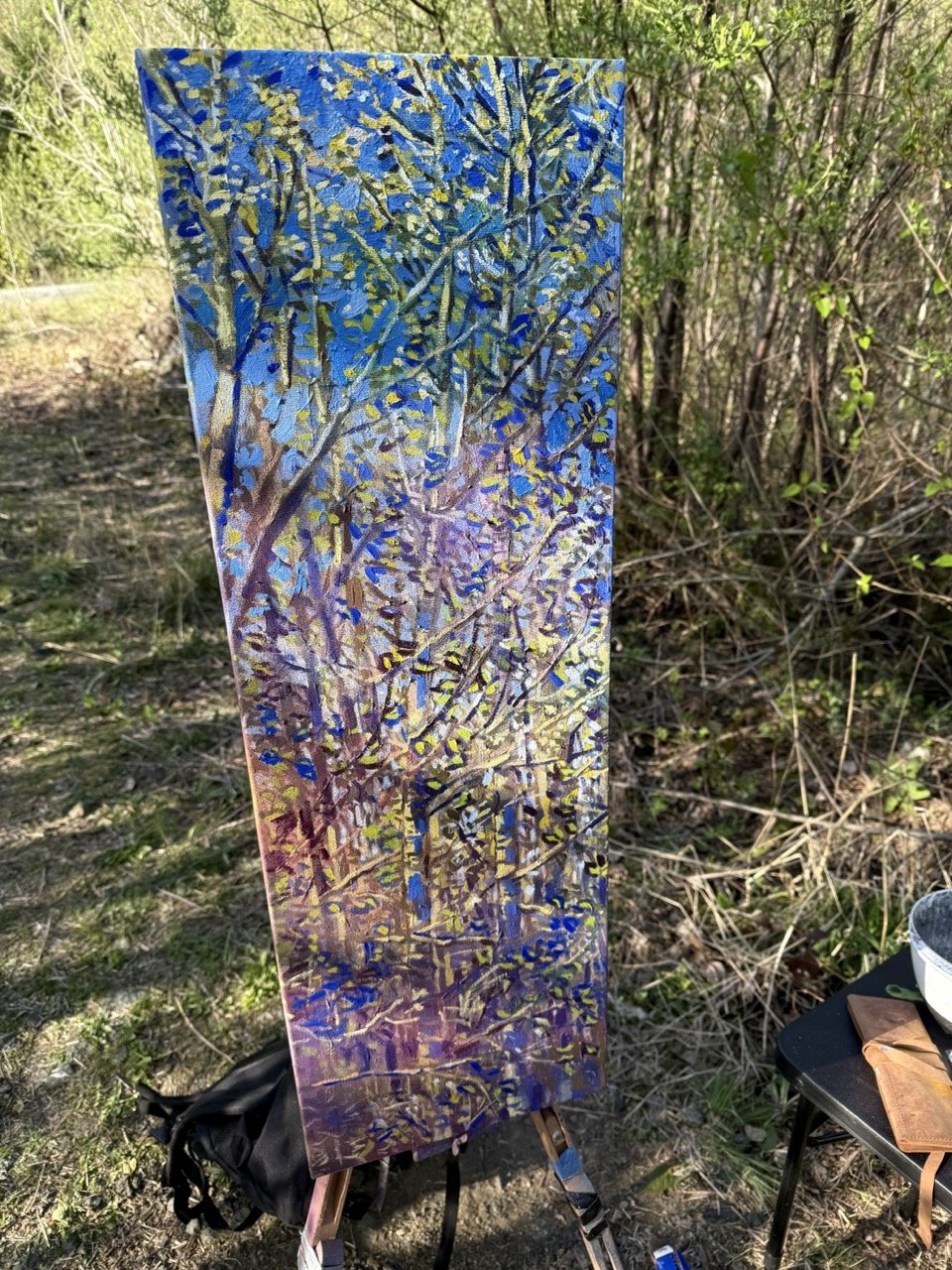
1x3 foot Acrylic and Spray Paint on Canvas
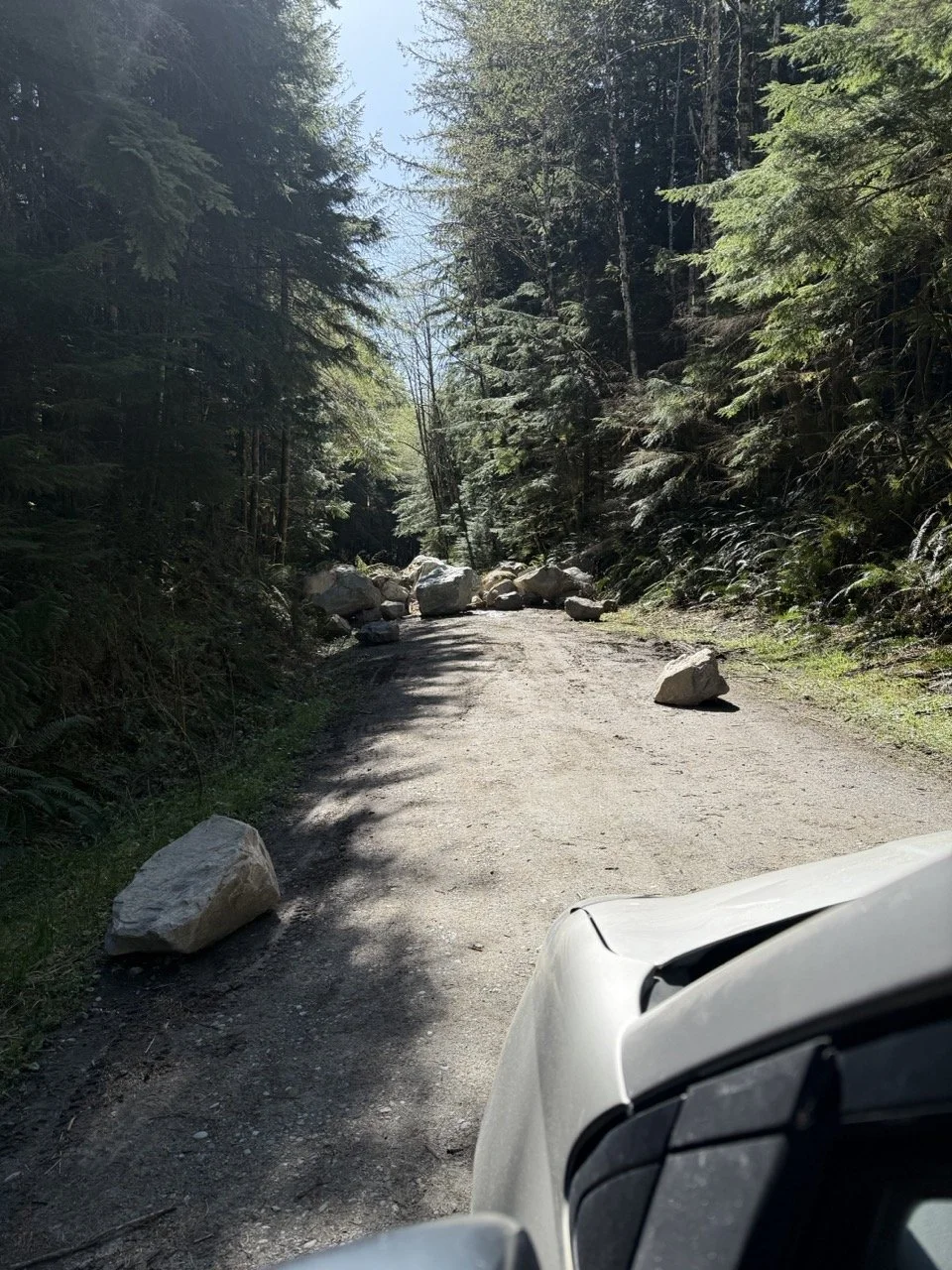
What a wild time. The goal of this outing was to return to a location along the Middle Fork Nooksack trail, off Mosquito Lake Road—a spot I had tried to reach back in the winter. At the time, the road was under construction because of the Skagit River, so I figured it would be accessible by now. I was wrong. Worse than wrong, it looks like I may never be able to access that specific spot again. From what I can gather, it has been closed indefinitely for ecological preservation. While preservation is well and good, it sparks serious questions and concerns. The land beyond the boulders is still physically there, but for me and the way I paint, I can no longer haul my supplies to the location I need.
It’s incredibly sad, but it highlights the vital importance of my work, both personally and culturally within Washington. The ability to see these spaces and communicate why they matter to others is the entire point. Right now, we are literally being denied access to the natural wonders of our own state.
This specific closure is part of a much larger state issue. DNR allocations were recently denied, forcing the department to shut down multiple parks and trails. The irony is staggering: we live in a state that constantly spouts a pro-nature ideology, yet it denies a vital public resource the funds it needs to operate—even though the money is absolutely there. Washington's two-year budget for 2025–2027 is $150 billion. DNR needed a mere $9 million.
The Paintings
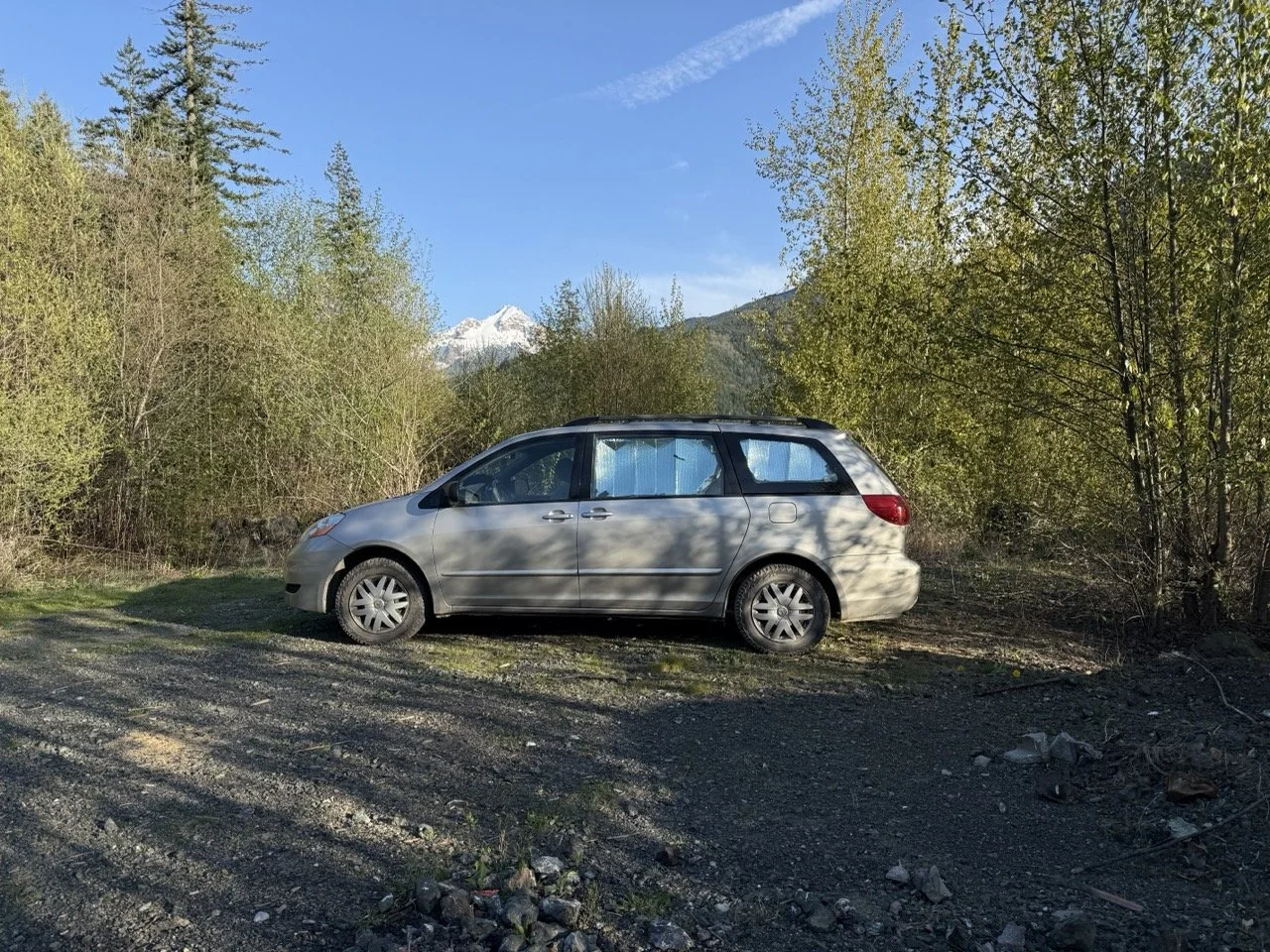
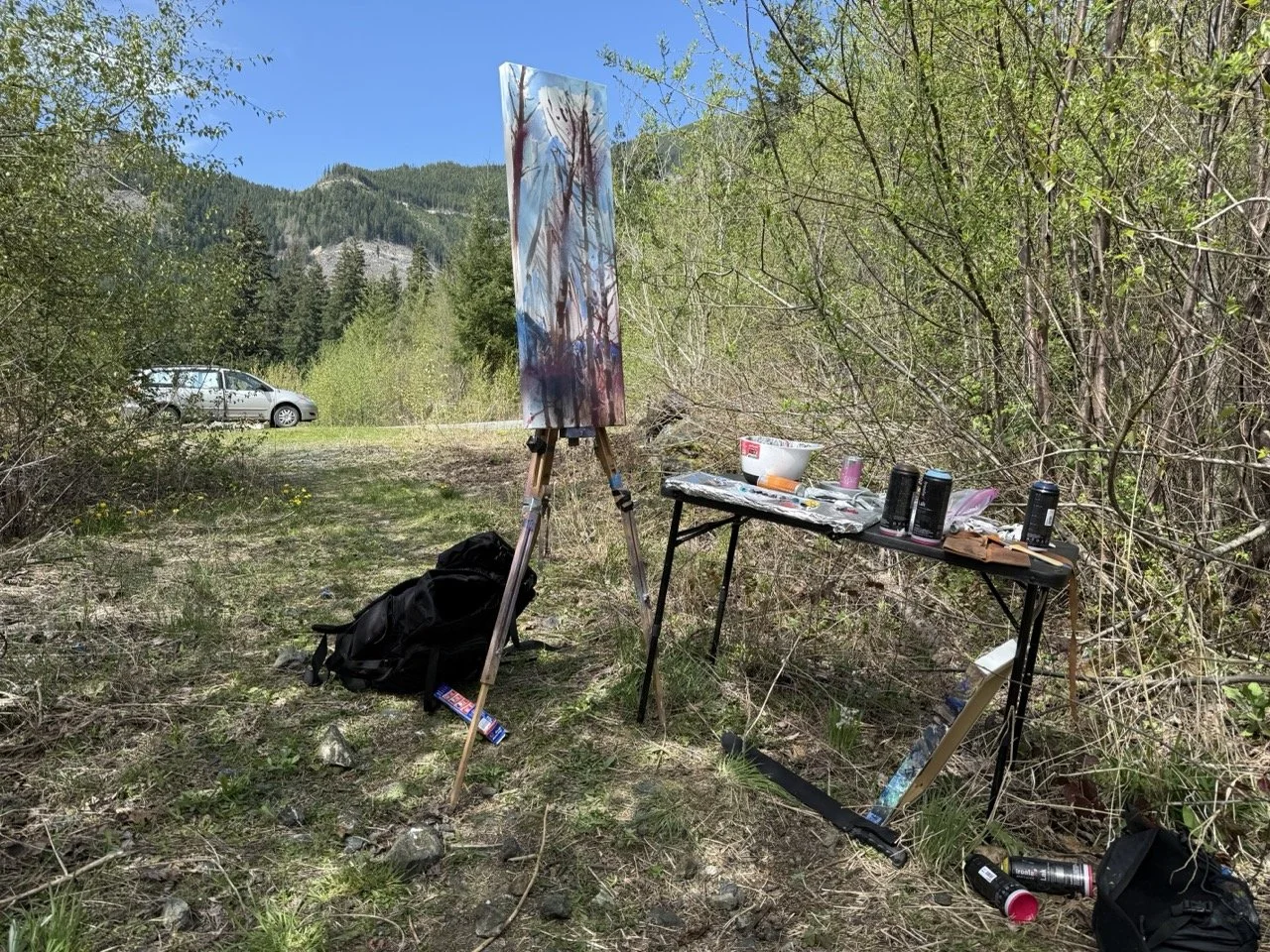
While the structural politics matter deeply, the art is why I went, and the trip itself provides an interesting perspective on the issue. Knowing the terrain well, I pushed up a steeper hill that I knew would catch direct sunlight with zero shadows until the very end of the day. I chose a spot where my vehicle was right next to my setup. That might seem like a small detail, but when you are working in the backcountry, proximity to your vehicle dictates your safety, your vulnerability to theft, and how much daylight you have left to pack up, retreat, and prep food.
I was working on a 3×1 foot piece. Knowing I was only staying for one night, I calculated the exact time to completion—a skill developed over many years of practice. Accurately gauging how long a specific canvas size takes allows me to maximize these remote trips.
I focused on the brightly colored trees surrounding me, drawn to the vibrant greenish-yellow that comes with our early spring weather. Tuning my eye to these rapid seasonal shifts is a fascinating way to approach landscape work. I also focused heavily on filming the entire process. When you are already completely consumed by making art in the elements, capturing the production on camera over multiple days is an immense challenge.
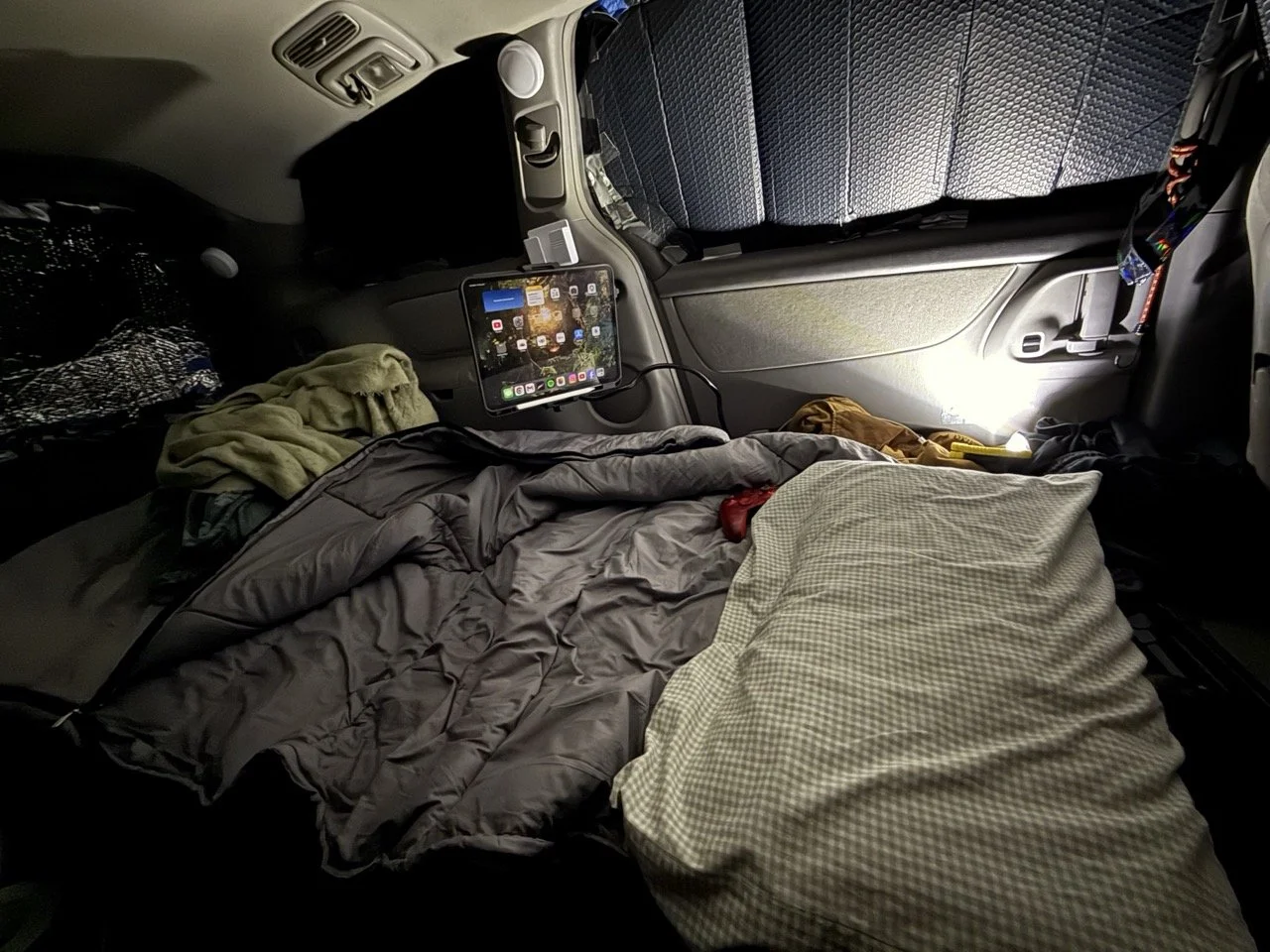
It was a wonderful first day of work, followed by a very interesting night. After cleaning up, starting the campfire, and relaxing, a guy came up and introduced himself to me. One must understand we are miles off any normal road; we are in the mountains. The guy told me he was having a party on the mountain and that 20 people would be attending. I then found out he was 17…
What followed was something I thought was limited to the 1990s or movies: a teenage mountain party. It consisted of a large bonfire, underage drinking, drunk driving, and a whole lotta 4×4 trucks. At one point, I thought I might want to leave but was quickly blocked in by everyone’s vehicles, so I opted to stay as intended, tucking my car further back. I passed out immediately, which is rare, and woke up to everyone gone.
It is an incredibly conflicting reality to witness. On one side, this leads us to my current issue. Our overwhelmingly Democratic state government is actively restricting land access and defunding state resources while routing money toward rampant homelessness, non-citizens, and a failing education system. On the other side, you have conservatives who love and inhabit the backcountry yet abuse it—littering, destroying things, shooting, drinking, and, by and large, disrespecting the nature they say they love.
I feel a stewardship and attachment to this land. The artistic legacy of this region is incredibly young; the Cascades are still unexplored treasures that exist to be seen and felt. I will continue to find a way to make the art I need, and the art that deserves to be made of our unique state. While these issues from both groups drastically change how I’ll approach this going forward, it presents the conflict I crave—something to battle, something to connect to. You’d be entirely mistaken if you thought this was partisan in any way; I care so entirely little about politics or yours. I care much more about my personal ability and position in life, and I guess I am finally finding my place in the giant argument of life.