The Best Vehicle for Overland Plein Air & Nomadic Art
Why specific vehicle capability is mandatory for large-scale plein air. Choosing a rig that can handle the weight of heavy frames and the stress of overlanding in the Pacific Northwest.
Why Mobility Matters in Remote Landscape Painting
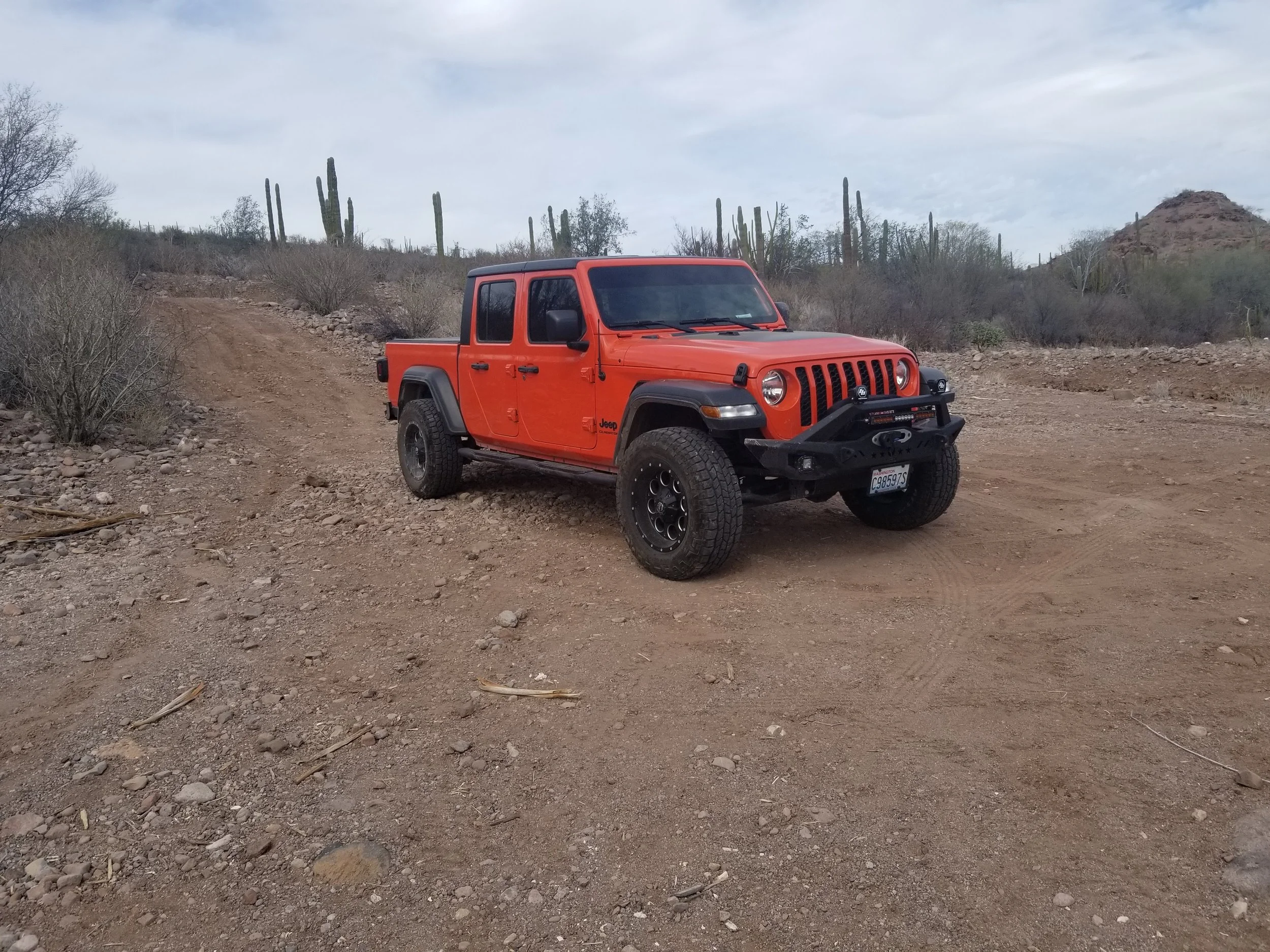
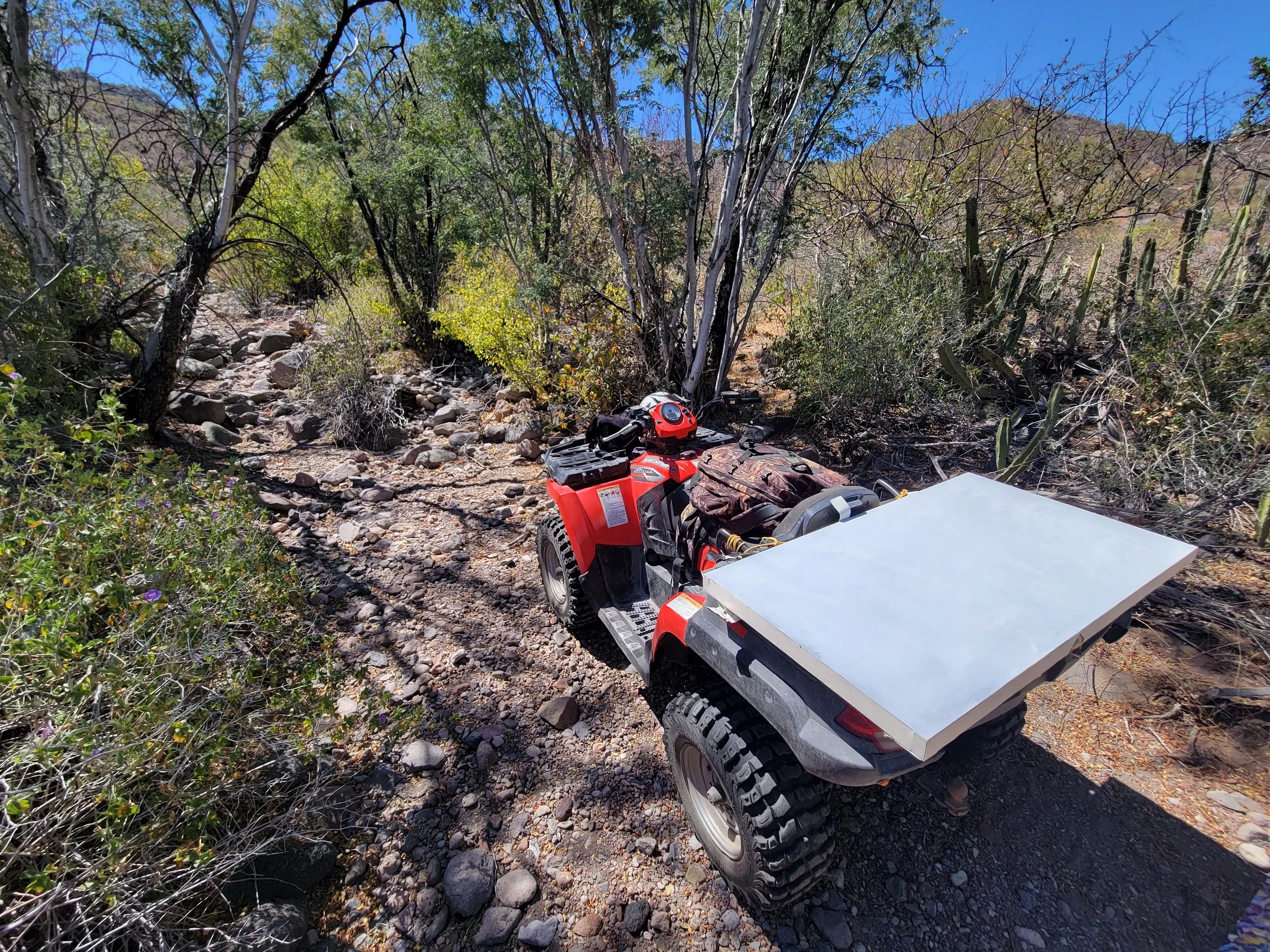
I’ve had the pleasure of off-roading quads and Jeeps in Baja, Mexico, and I’ve taken many trips with friends throughout the PNW tackling some incredible obstacles. Off-roading is exhilarating because it removes the typical responsibilities of the road. Want to drive up a massive hill? Go ahead. Want to cross a shallow stream? Go ahead. Want to see what’s on top of that mountain? Go ahead.
That sense of freedom is infectious. To me, off-roading feels as close to the Wild West as we’ll ever get—a blend of exploration, risk, and reward. Tying this adventure into my plein-air practice has been transformative.
If you are looking to run moderate trails, stay safe, and see beautiful places for a night or two, you don’t actually need to spend a lot of money. Most vehicles can handle beginner-level trails, and even more advanced terrain is accessible if you have the right driving skills. Slap a rooftop tent on top, and you can easily stay out for an extra couple of days.
My Current Platform: A 2006 Toyota Sienna as a Painting Rig
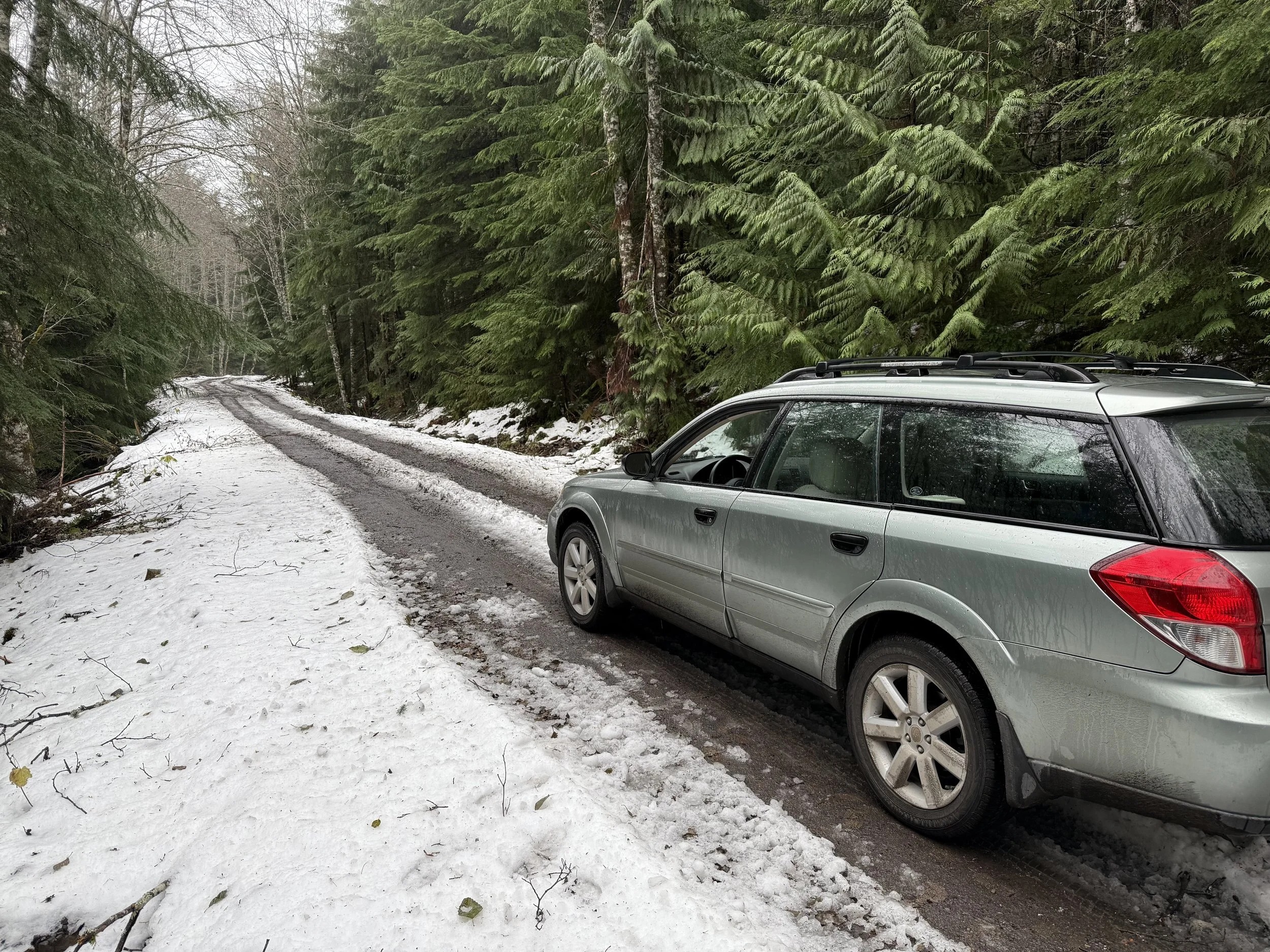
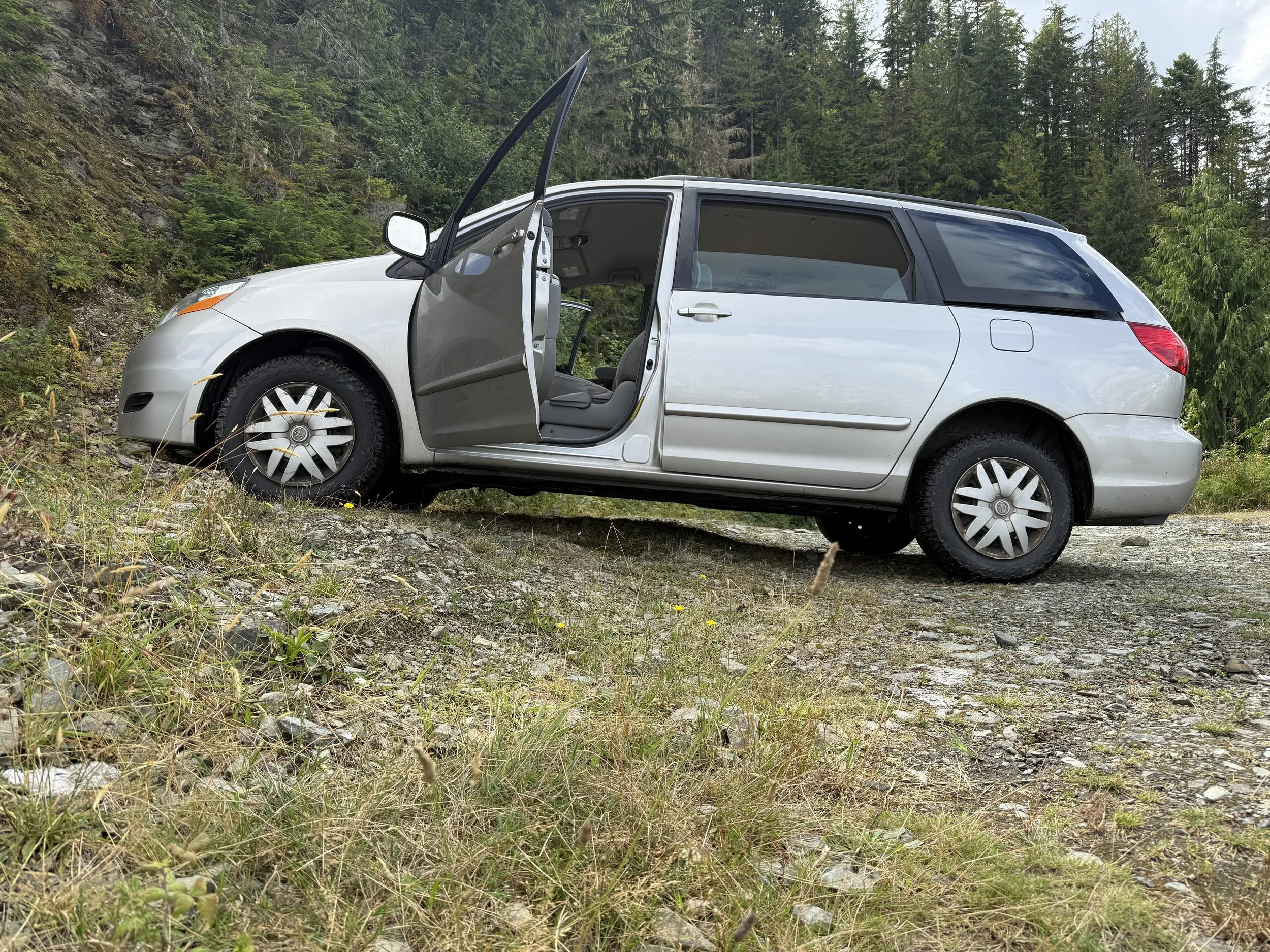
I am currently on my third vehicle: a 2006 Toyota Sienna FWD with 212,000 miles. Before the van, I drove a much more nimble Subaru Outback. While I wouldn’t call either of them true “off-road” vehicles, I’ve definitely pushed each one far beyond its intended use—especially the Sienna, which I’ve invested significant time and money into converting into a permanent living and studio setup.
Because I work on a large scale (3x4 feet is actually on the smaller side for me), I usually stay in one location for a full week. That level of endurance requires a significant amount of gear: food, water, clothing, safety equipment, art supplies, Starlink, batteries, electronics, and countless other essentials. For these reasons, a van makes the most sense for me right now, though I intend to eventually upgrade to a larger, more capable rig.
With the Sienna, I still enjoy many of the same amenities as dedicated off-roaders and overlanders—primarily a dry, safe place to sleep on a real mattress. Having a dedicated space where I can feel secure, especially when traveling with valuable art equipment, is incredibly important.
The Best Vehicle Is the One That Gets You Out There
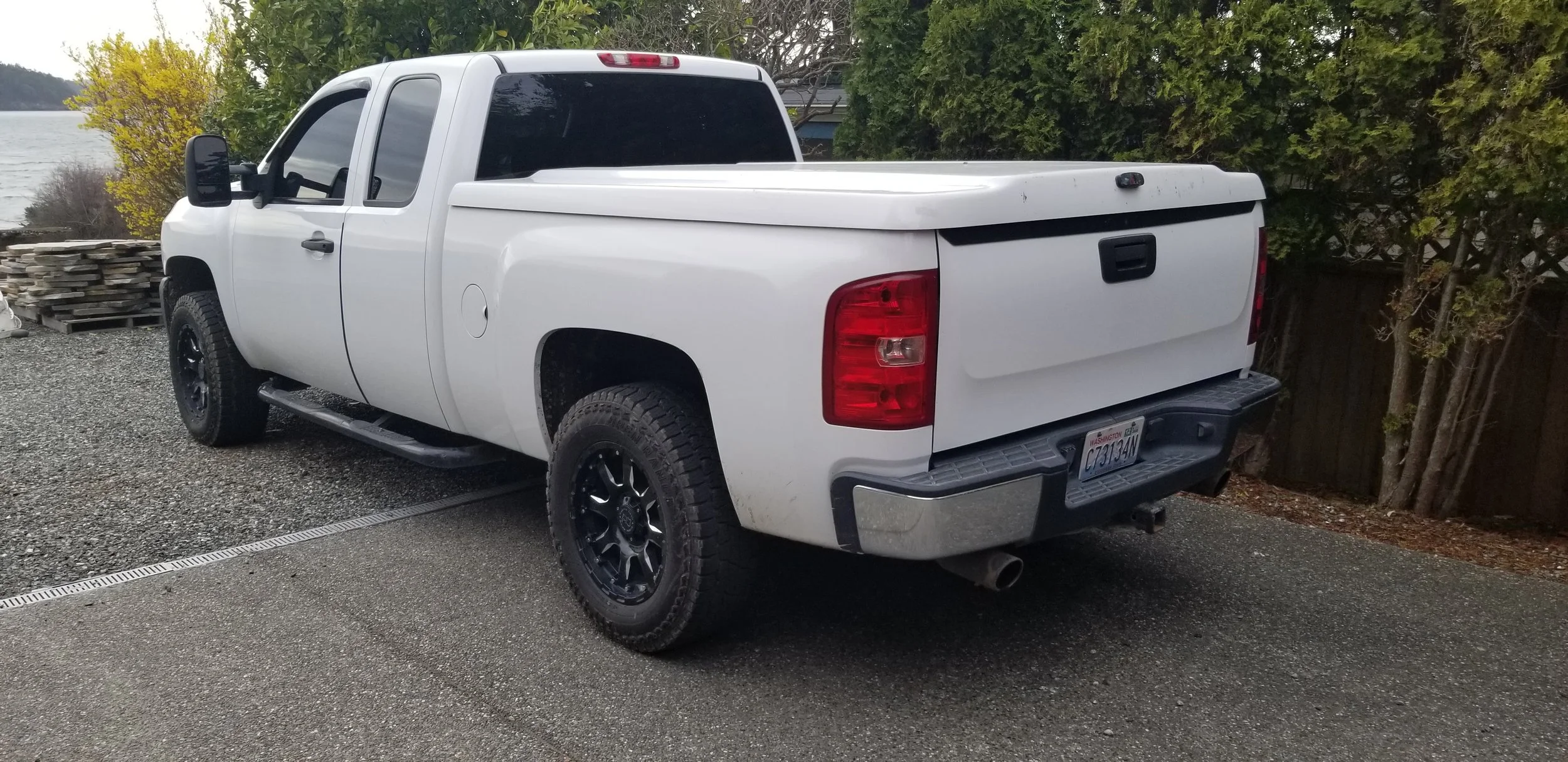
While there are countless vehicle options for camping and off-roading—high-top vans, 4x4 rigs with trailers, truck campers, and even school buses—each comes with its own set of pros and cons. Naturally, budget is the biggest deciding factor. On the high end, EarthRoamers can climb past one million dollars, functioning like armored luxury tanks designed to stay off-grid for weeks.
What I have is a $3,000 minivan with no 4x4, no AWD, and barely six inches of clearance—and yet, I’ve still taken it on amazing trails where we saw absolutely no one else. If you truly enjoy off-roading, you’ll find a way to do it with whatever you have. Spending massive amounts of money just to drive over small bumps isn't that exciting anyway; navigating a minivan down a single-lane trail, dodging rocks, washouts, and deep potholes, is far more interesting.
I’ve spent hundreds of hours planning, watching videos, talking to people, and overthinking the “best” way to do all of this. But the truth is simple:
The best way is whatever gets you out there the most.Some people would scoff at what I call off-roading, but in the end, I spend far more time outside than they do — and that’s what matters to me.